 VIEW
VIEW 
Upgrading your wheels is one of the most exciting modifications you can make to your car. It completely transforms the stance, the handling, and the overall presence of your vehicle.
However, dropping thousands of dollars on the wrong set of wheels can ruin your ride quality, cause fitment issues, or worse—compromise your safety. Before you hit the “buy” button on any set of aftermarket wheels, read this complete guide to Forged Rims so you know exactly what you are paying for.
1.The Manufacturing Process: Cast vs. Flow-Formed vs. Forged
The biggest mistake car owners make is buying a wheel purely for its design without understanding how it was made.
- Cast Wheels: Made by pouring molten aluminum into a mold. They are cheap to mass-produce but are heavy and prone to cracking under heavy impact.
- Flow-Formed (Rotary Forged): A hybrid process where a cast wheel is spun under heat to stretch the barrel. Lighter than cast, but still not true forged.
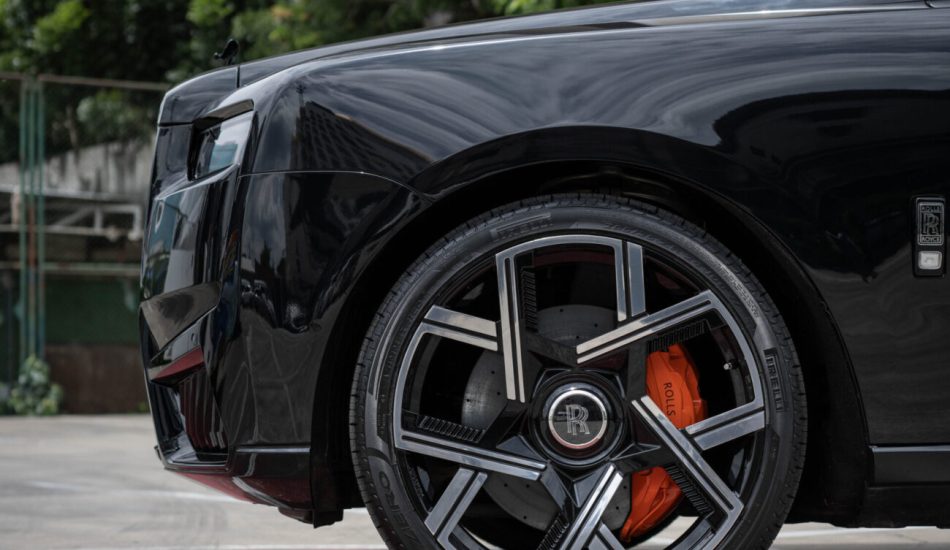
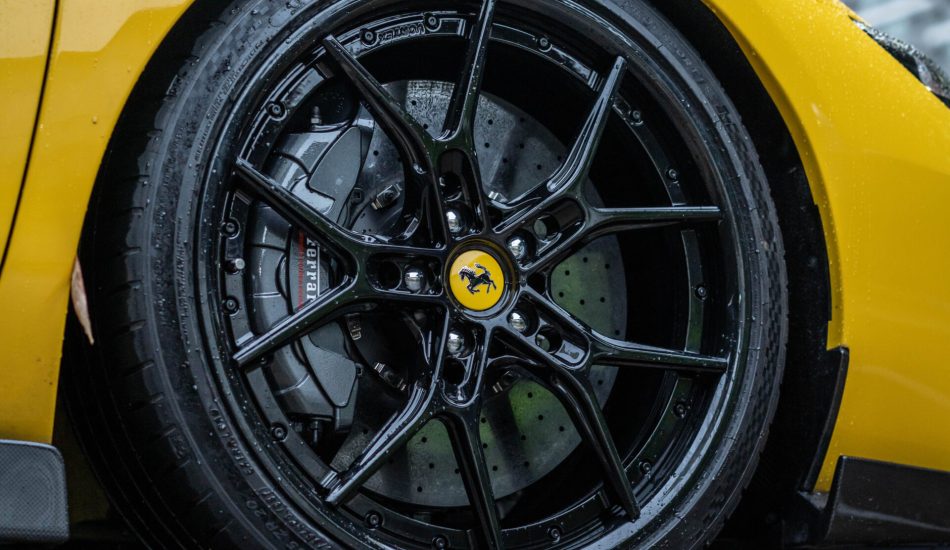
- True Forged Wheels (The Gold Standard): Machined from a single solid block of aluminum under extreme pressure. This aligns the grain structure of the metal, resulting in a wheel that is incredibly strong and remarkably light. (This is the only method we use at Vortex Wheels).
2.Material Matters: Demand 6061-T6 Aluminum
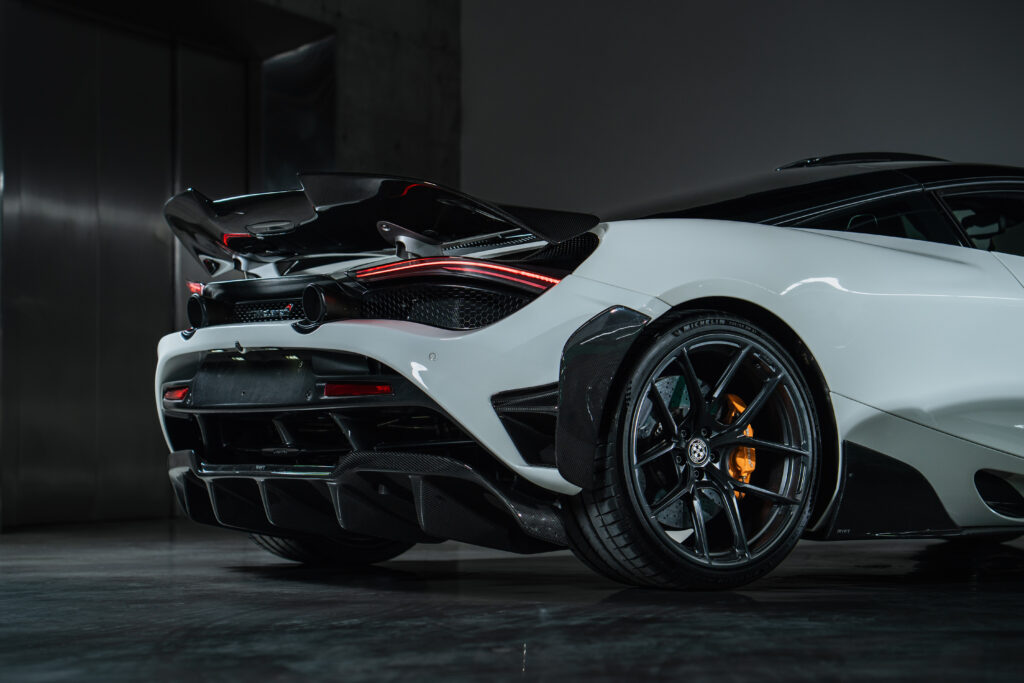
Not all forged wheels are created equal. If a brand doesn’t specify their material, walk away. You want Aerospace-grade 6061-T6 Aluminum. This specific alloy is treated with heat (the “T6” designation) to yield maximum tensile strength. It’s the same material used in aircraft wings, meaning your wheels can handle the extreme loads of a heavy SUV like a Mercedes-Benz GLE or the high-speed cornering of a Porsche 911.
3.The Unsprung Weight Advantage
Why pay a premium for forged wheels? Because of Unsprung Weight. This is the weight of your car’s components that are not supported by the suspension (wheels, tires, brakes). Reducing unsprung weight by upgrading to lightweight forged rims (like our Vortex VX-100 Monoblock series) dramatically improves:
- Acceleration: Less rotational mass means your engine doesn’t work as hard to spin the wheels.
- Braking: Your brakes can stop a lighter wheel much faster.
- Handling: The suspension responds quicker to bumps and corners.
4. Off-The-Shelf vs. Custom Fitment (Say No to Spacers)
Buying pre-made wheels often means compromising on fitment. You might end up needing wheel spacers to get that flush look, which can cause vibrations and put stress on your wheel bearings.
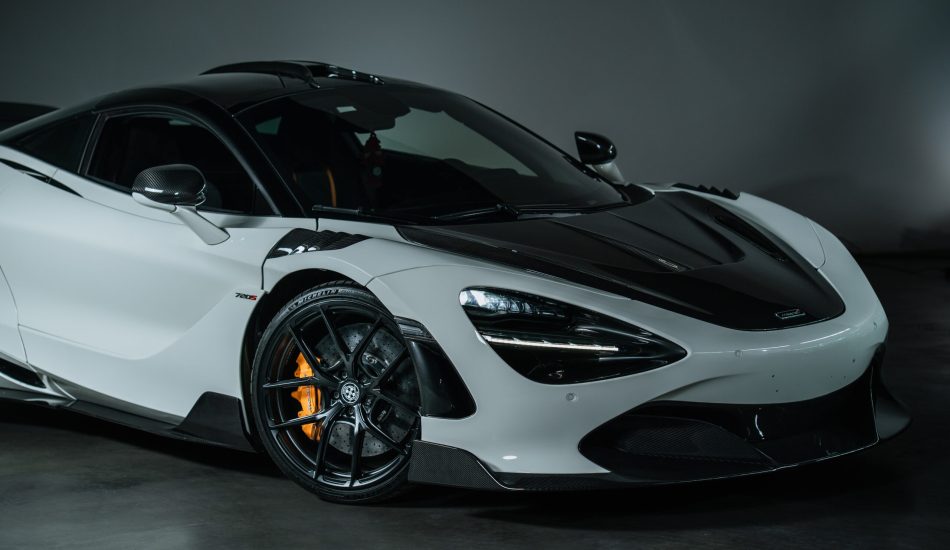
When you order Custom Forged Wheels, they are engineered specifically for your vehicle’s exact specifications. At Vortex, we calculate the precise Offset (ET) and PCD to ensure your wheels sit perfectly flush with the fender and clear massive aftermarket or Carbon Ceramic Big Brake Kits—no spacers required.
5. Safety and Certification
Never risk your life on unverified replica wheels. High-quality forged wheels undergo rigorous finite element analysis (FEA) during the design phase to optimize weight without sacrificing structural integrity. Always look for wheels that meet international safety standards like JWL and VIA certifications.
The Bottom Line
Your wheels are the only connection between your car and the road. Investing in true custom forged wheels is an investment in performance, safety, and exclusivity.
At Vortex Wheels, we specialize in designing and engineering premium forged rims directly from Japan. Whether you need an ultra-light Monoblock for the track or a deep-dish 2-Piece wheel for a widebody build, we craft every set to be “ONE OF A KIND.”
Ready to build your dream wheels?
We ship worldwide. Browse our collections and let our fitment experts handle the rest.